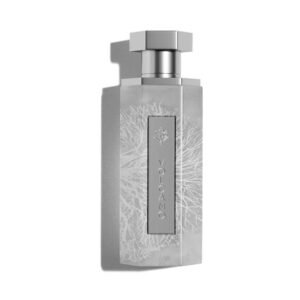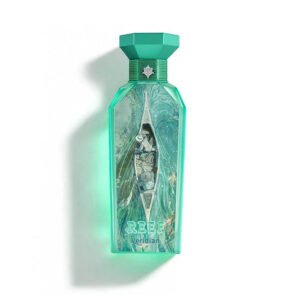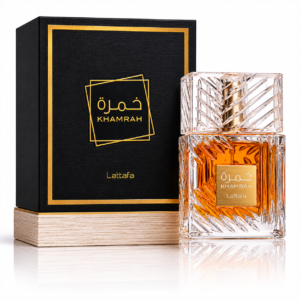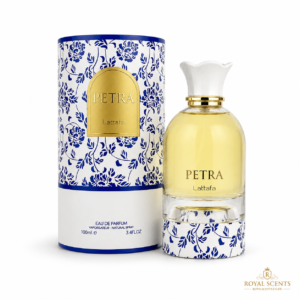
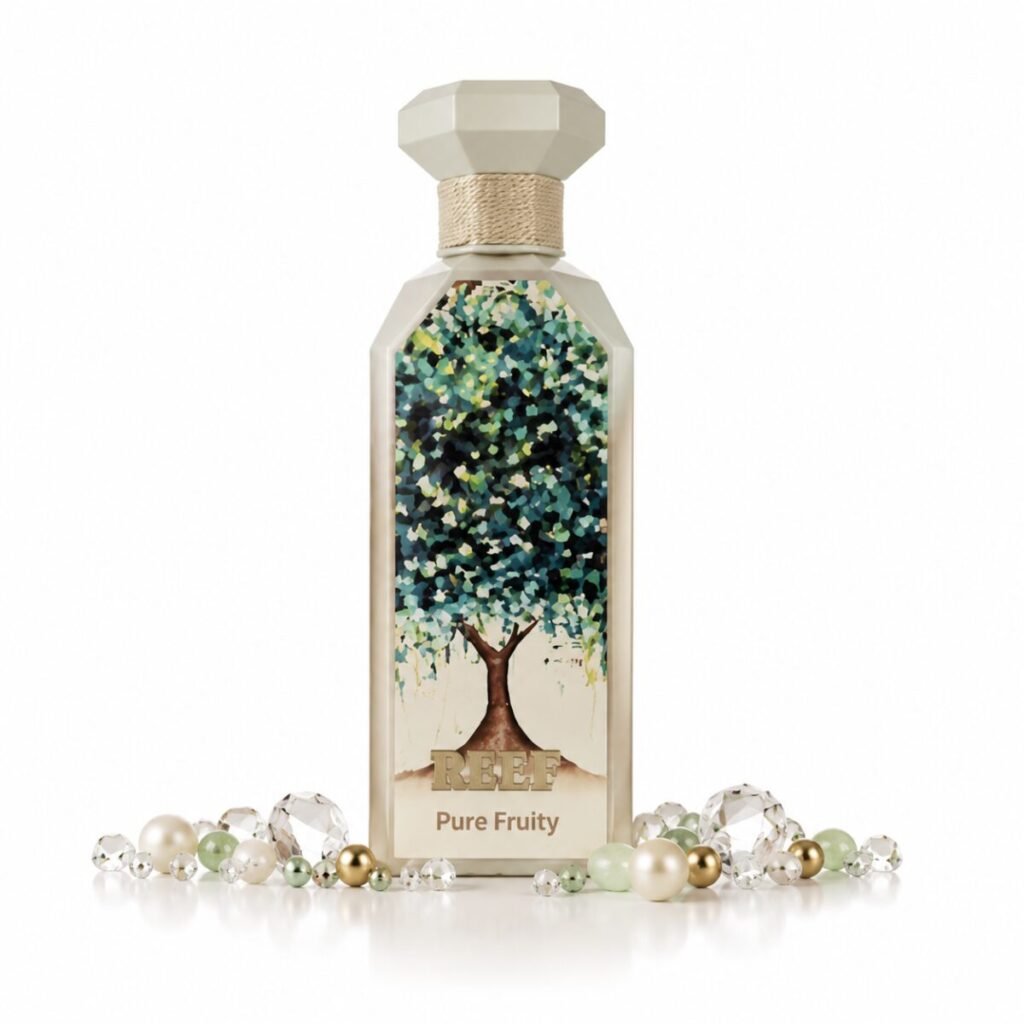
Nobody warns you about this when you first buy a bottle of Reef or Lattafa: the same fragrance that felt perfect in a Dubai mall can behave completely differently under a grey Manchester sky in February. Heat opens a scent up. Cold seals it in. Humidity drags certain notes forward and mutes others. If you’ve ever sprayed something you loved and thought “this doesn’t smell like it did in the shop,” British weather is very often the reason, not the perfume.
This is the guide nobody selling these brands in the UK has actually written — because most sites are busy telling you which bottle is the best “dupe” of a designer name, not which bottle will actually survive a commute in the rain.
Why UK Climate Changes How These Perfumes Perform
Arabian-style perfume oils — the kind used heavily across Reef and Lattafa — tend to lean on oud, amber, musk, and resins. These are heavy, low-volatility molecules. In warm, dry air they evaporate at a steady, generous rate, which is why they feel so expansive in Gulf climates. In cold, damp British air, the same molecules evaporate more slowly and cling closer to the skin. That’s not a flaw. It just means the “sillage” (how far a scent travels) drops in winter and rises in summer — often more dramatically than with a typical French designer fragrance built around lighter aromachemicals.
Humidity does something else: it swells the perception of sweet and musky notes. A gourmand like a vanilla-heavy pick can turn from “warm and cosy” into “thick and cloying” on a muggy August day in the UK. Meanwhile, on a dry, crisp winter morning, that same bottle reads as comforting rather than heavy.
Spring (March–May): Damp Mornings, Unpredictable Afternoons
Spring in the UK swings between cold snaps and sudden mild days, so this is the season for fragrances with a fresh top note that can carry a warm base underneath — something that reads clean in the morning chill and doesn’t disappear if the afternoon warms up. Citrus-and-floral openings with an amber or musk base tend to be the safest spring pick, because the top notes do the work in cool air and the base notes still hold when the temperature lifts.
Summer (June–August): Humid, Muggy, Occasionally Genuinely Hot
This is where lighter, fresher compositions earn their keep. Heavy oud-forward attars can turn overwhelming in a warm, un-air-conditioned office or on the Tube. Fruity-fresh and aquatic-leaning scents with a lighter musk base perform best — they still last, because Arabian perfume oils are formulated for longevity, but they don’t build the same heavy cloud that a full oud composition would in July humidity.
Autumn (September–November): The Sweet Spot
Cooling temperatures and rising humidity from rain make this arguably the best season in the UK for these brands. Spicy, woody, and lightly sweet fragrances hit their stride here — warm enough to suit the drop in temperature, without the heaviness that full winter cold brings out. This is also when oud and amber compositions start to feel appropriate again rather than overpowering.
Winter (December–February): Cold Air, Indoor Heating Contrast
Winter is oud season — but with a caveat British buyers often miss. Cold outdoor air mutes projection, so a scent might feel like it’s “not doing much” the moment you step outside. Then you walk into a heated shop, office, or train carriage, and the warmth reactivates the oil, and suddenly it’s much stronger than expected. The fix isn’t a heavier scent — it’s understanding that indoor heating in the UK effectively becomes part of the fragrance’s performance. Deep amber, oud, and musk-based compositions are built for exactly this contrast.
A Practical Rule for UK Buyers
If you only remember one thing from this guide: British weather doesn’t reduce how long these perfumes last — Arabian perfume oils are formulated for genuine longevity in any climate — but it does change how loud they are, and when. Buy for the room you’ll be in, not just the temperature outside. An office in December is warmer than the street in December, and that difference matters more here than it does in a hot, dry climate where indoor and outdoor temperatures don’t swing so far apart.
FAQs
Do Arabian perfumes last as long in cold UK weather as they do in hot climates? Longevity on skin generally stays strong regardless of temperature, since it’s driven by the oil concentration and base notes rather than heat. What changes with cold weather is projection — how far the scent travels — which drops outdoors and can pick back up indoors once you’re somewhere heated.
Which is better for British rain — an oil or an EDP version? Oil-based versions tend to sit closer to the skin and are less affected by damp air, while EDP sprays project further but can feel diminished faster in cold, wet conditions. For a typical rainy commute, an oil-based option is usually the more consistent choice.
Why does my perfume smell different in the UK than it did when I tried it abroad? Temperature and humidity change how quickly different notes evaporate. Warmer, drier air lets top and base notes unfold together; colder, damper air slows that process down, so the same bottle can genuinely smell different depending on where you’re wearing it.
Ready to shop? Shop the Reef range or browse Lattafa.
Related reading: the best time to wear each Reef perfume.