Ask most UK fragrance buyers what “Khamrah” means and you’ll get a shrug. Ask what “Hareem Al Sultan” translates to, and most people genuinely have no idea — they just know it’s a bestseller. That’s not a criticism; it’s simply information nobody selling these perfumes in the UK bothers to explain, probably because most retailers are focused on comparing bottles to designer names rather than telling you what you’re actually holding.
We think that’s a missed opportunity, because the names of these fragrances are rarely random. They’re often descriptive, poetic, or rooted in a specific cultural image — and knowing that image tends to make the scent make a lot more sense.
Why Arabic Perfume Names Work Differently
Western fragrance houses often name a scent after an abstract feeling, a place, or the designer’s own name. Arabian perfume houses more frequently name a fragrance after what it evokes literally — a plant, a drink, a quality, a piece of jewellery, a season. The name is meant to be a clue to the scent profile, not just a label.
A Working Translation Guide
Khamrah (Lattafa) — the word relates to “wine” or “intoxication” in Arabic, and the fragrance itself leans into a warm, spiced, almost fermented-fruit sweetness that mirrors that idea, built around cinnamon, dates, and amber rather than anything alcoholic.
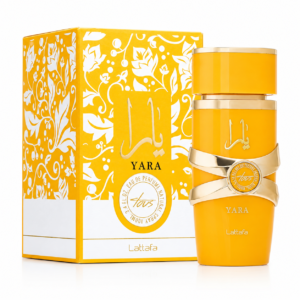
Yara (Lattafa) — a name commonly used across the Arabic-speaking world, generally understood to mean something close to “small butterfly” or is used simply as a popular given name conveying lightness and femininity — which lines up with the fragrance’s fruity, creamy, approachable character.
Asad (Lattafa) — a straightforward Arabic word meaning “lion,” chosen to signal strength and boldness, which matches the fragrance’s sharp, ambroxan-driven, assertive character.
Angham (Lattafa) — derived from the Arabic word for “melodies” or “tunes,” a poetic choice meant to suggest something harmonious and layered, in keeping with the fragrance’s composed, multi-note structure.
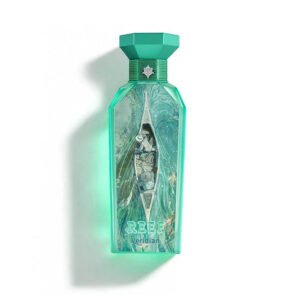
Reef (Reef Perfumes, brand name) — “reef” in this context draws on the Arabic root for “countryside” or “fertile land” (ريف), evoking a natural, earthy origin story for the brand rather than an urban or industrial one — which tracks with the brand’s frequent use of natural materials like oud, saffron, and rosemary.
Oud (used across both brands) — not a proper name at all but the Arabic word for agarwood, the resin-infused wood at the heart of countless Middle Eastern fragrances, prized for centuries before modern perfumery adopted it.
Bukhoor / Bakhoor — refers to the traditional practice of burning fragranced wood chips as incense, and fragrances using this word in their name are typically built to evoke that smoky, resinous ritual scent.
Why This Matters When You’re Choosing a Bottle
Once you know that a name is meant to describe the scent rather than just brand it, you can use naming patterns as an actual shopping shortcut. A fragrance with “oud” or “bukhoor” in the name is telling you, directly, to expect something smoky and resinous. A name built around a flower, fruit, or gemstone is signalling something lighter or sweeter. This is genuinely useful information that gets lost when a fragrance is only ever discussed as “a dupe of X.”
FAQs
Do all Lattafa and Reef perfume names have a direct English translation? Not always a precise one-to-one translation — some names are proper nouns, some are regional colloquialisms, and some are stylised spellings chosen for how they sound rather than a strict dictionary meaning. But the majority are chosen to evoke or describe something connected to the scent.
Is “oud” a brand or a scent family? Neither exactly — it’s a raw material. Oud (or agarwood) is a specific resin used across many different brands and fragrance families, and any perfume with “oud” in the name is signalling that ingredient is present or central.
Why do some names sound similar across different brands? Because they’re often drawing from the same pool of common Arabic words describing luxury, nature, and status — “sultan,” “amber,” “musk,” and “oud” appear across many houses because they describe qualities buyers across the region already associate with premium fragrance.
Ready to shop? our full notes guide or browse Lattafa.
Related reading: how Arabic perfume bottles are designed