If a fragrance you’ve worn happily for years suddenly seems to fade faster, smell different, or just not sit on your skin the way it used to, hormonal changes during perimenopause and menopause are a genuine, well-documented reason why, and it’s rarely talked about in fragrance content. This isn’t about needing to stop wearing perfume, it’s about understanding why it might behave differently now, and what actually tends to work better through this stage.
Why hormonal changes affect how perfume smells and lasts
Fragrance doesn’t sit on skin in isolation, it interacts with it. Skin pH, natural oil production, hydration levels, and even body temperature all influence how a scent develops and how long it lasts, and all of these can shift during perimenopause and menopause due to changing oestrogen levels. Drier skin, which is extremely common during this stage, holds fragrance less effectively than well-hydrated skin, since fragrance molecules bind partly to the skin’s natural oils. Hot flushes and shifts in body temperature can also alter how quickly top and heart notes evaporate, sometimes making a familiar scent feel like it burns off faster or smells sharper in the first few minutes than it used to.
None of this means your sense of smell or your taste has changed, though for some people that shifts too. It usually means the physical canvas the fragrance is being worn on has changed, and that’s worth adjusting for rather than assuming the fragrance itself, or you, has gone wrong.
What tends to work better through this stage
| Consideration | Why It Helps |
|---|---|
| Moisturise skin before applying | Fragrance binds to oil and hydration, dry skin holds scent noticeably less well |
| Choose richer, warmer base notes | Amber, musk, and oud-based fragrances are built to last longer and anchor better on drier skin than light citrus or aquatic scents |
| Reapply rather than overspray initially | If a scent seems to fade fast, a light reapplication later in the day works better than saturating at the start |
| Test on skin, not just on paper | How a fragrance reads on your specific skin now may genuinely differ from how it read a few years ago |
Why Arabian perfumery specifically tends to suit this well
Arabian-style EDPs are generally built on a higher concentration of fragrance oil and lean heavily on warm, resinous base notes, amber, oud, musk, vanilla, rather than the lighter citrus and aquatic notes common in many mainstream Western fragrances. That combination happens to line up well with what tends to work better on skin that’s producing less natural oil, the higher oil concentration compensates, and the heavier base notes are simply more resilient to begin with. This isn’t a claim that Arabian perfume is formulated for this specifically, it’s more that the style itself happens to suit these changes better than very light, fleeting fragrances do.
A few genuinely good starting points
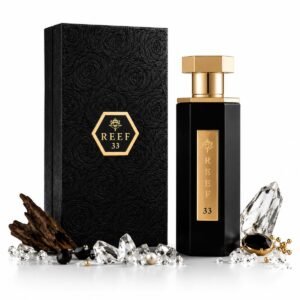
Lattafa Khamrah, built on date, praline, vanilla, and sandalwood, is exactly the kind of warm, oil-rich profile that tends to perform reliably regardless of skin changes. Lattafa Musk Mood is a gentler, skin-close musk that suits daily wear without demanding much of the skin to carry it well. For something with real presence, Reef 33‘s saffron-oud base is built to anchor and last, which matters more, not less, if you’ve noticed lighter scents fading faster than they used to.
If a fragrance you love genuinely stops suiting you
It happens, and it doesn’t mean something’s wrong with you or the bottle. Fragrance preference and skin chemistry both shift gradually over a lifetime for lots of reasons, hormones being one of several. If a longtime signature scent starts smelling slightly off or simply less like “you”, it’s worth treating it the same as trying any new fragrance rather than forcing it, testing a small amount on skin, giving it time to develop, and being open to the idea that what suited you at 35 may not be exactly what suits you at 50, and that’s a completely normal part of how fragrance and skin both change over time.
Application changes worth trying
Beyond switching to richer fragrances, a few small changes to how you apply perfume can make a real difference if your skin is behaving differently than it used to. Applying straight after a shower, while skin is still slightly damp and warm, helps fragrance bind and develop more effectively than applying to completely dry, cool skin. Layering a fragrance-free or lightly scented moisturiser underneath gives the perfume something to hold onto, which matters more when skin is naturally producing less of its own oil. Pulse points still work, wrists, neck, behind the ears, but if you have noticed those areas specifically running drier, don’t be afraid to also apply to clothing or hair, which hold scent differently to skin and are not affected by the same hormonal changes.
It’s not just about longevity, it’s about how a scent reads
Longevity is the change people notice first, but it isn’t the only one. Some people find that fragrances they once experienced as sweet or soft start to read as sharper or more astringent, particularly in the first ten minutes after application, which is often down to how quickly top notes evaporate off drier skin rather than any change in the fragrance itself. If a scent has always felt “off” specifically in that opening period but settles nicely afterwards, that’s a reasonable sign that it’s a skin-and-scent interaction issue rather than a reason to give up on the fragrance entirely. Giving a fragrance the full ten to fifteen minutes to settle before deciding it doesn’t suit you anymore is worth doing before writing off an old favourite.
This is a normal, well-documented part of how fragrance works
It’s worth saying plainly: none of this is unusual or a sign that anything has gone wrong. Perfumers and dermatologists alike have long understood that skin condition, hydration, and temperature all genuinely affect how fragrance performs, hormonal shifts are simply one of several life stages (alongside things like climate change, medication changes, or ageing skin generally) that can alter that balance. The practical response is the same regardless of the underlying cause, moisturise, choose richer formulations if lighter ones aren’t performing, and give yourself permission to explore something new rather than assuming your old signature scent has failed you.
Frequently asked questions
Does menopause really change how perfume smells on your skin?
Yes, indirectly. Hormonal changes affect skin hydration, oil production, and temperature, all of which influence how fragrance develops and how long it lasts, which is why a familiar scent can genuinely start behaving differently during this stage.
Why does my usual perfume seem to fade faster now?
Drier skin holds fragrance less effectively, since scent molecules partly bind to the skin’s natural oils. If oil production has dropped, moisturising before application and choosing richer, higher-concentration fragrances both help.
Should I switch fragrance families entirely during menopause?
Not necessarily, but it’s worth experimenting. Warmer, oil-rich, higher-concentration fragrances generally perform more reliably on changing skin than very light citrus or aquatic scents, so it’s a reasonable direction to explore if your current fragrance isn’t behaving the way it used to.
Find what suits you now
Our Find My Perfume tool lets you filter the full range by mood and intensity, a useful way to explore richer, longer-lasting options if your current fragrance isn’t performing the way it used to.