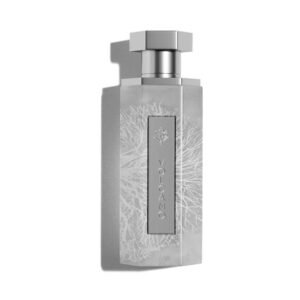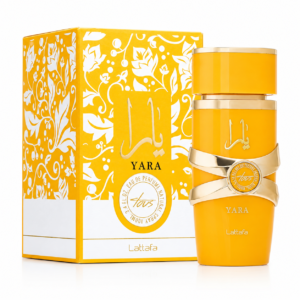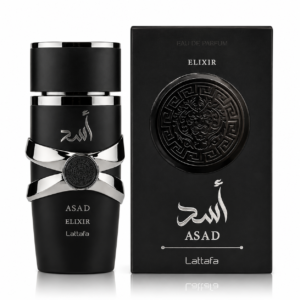

Search “perfume layering” and you’ll find plenty of designer-brand advice — pairing two bottles from the same fashion house, because that’s what the marketing nudges you toward. What you won’t find is anyone seriously exploring layering across Reef and Lattafa — two houses with genuinely different note profiles that, combined correctly, can produce something neither achieves on its own. That’s the gap this guide fills.
The Rules Before You Start Mixing
Layering isn’t about spraying two random bottles and hoping. A few practical rules keep it from turning into a mess:
- Pick one dominant and one supporting scent. Don’t layer two equally loud fragrances — pick a lighter one to sit underneath a richer one.
- Apply the heavier, longer-lasting scent first, closer to pulse points, and the lighter one on top or on clothing, so it doesn’t get completely swallowed.
- Match at least one shared note family. If both fragrances share a musk, amber, or woody base, they’ll blend rather than fight.
- Test on skin, not paper. Layering behaves differently once body chemistry and heat get involved — always trial a combination for a full day before committing to it for an occasion.
Five Combinations Worth Trying
1. A fresh, fruity-floral Lattafa base + a light Reef musk layer
Spraying a fruity-floral as the foundation and adding a clean Reef musk on top extends the wear time of the lighter fragrance while softening the musk’s tendency to feel soapy on its own. Good for daytime through early evening.
2. An oud-forward Reef base + a spiced Lattafa top note
Applying the oud composition to pulse points first, then a spiced or gourmand Lattafa lightly on the collar or clothing, adds warmth and complexity to the oud without pushing it into overwhelming territory — useful for cold-weather evenings.
3. A Reef amber-woody base + a citrus-forward Lattafa top layer
A grounding amber base with a bright citrus layered on top creates contrast rather than a muddy blend — the citrus lifts and airs out what would otherwise be a heavy combination, which works particularly well for UK spring and early autumn.
4. Two musks from different houses
Layering a Reef musk with a Lattafa musk of a different character (one cleaner, one warmer) builds a rounder, more complex musk than either wears alone — a genuinely underused technique, since most people assume “more musk” just means “more of the same.”
5. A gourmand vanilla base + a green or herbal top note
Pairing something sweet and vanilla-forward with a green or rosemary-leaning top note (a note Reef in particular uses well) keeps the sweetness from tipping into “dessert” territory and gives it a more grown-up, less one-dimensional feel.
Common Mistakes UK Buyers Make When Layering
The most frequent error isn’t a bad combination — it’s over-application. Two full sprays of two different strong Arabian perfume oils is often too much for anyone around you. Start with one spray of the base and a light dab or single spray of the top layer, then adjust the next time based on how it actually read over the day.
The second mistake is layering two fragrances that are already loud on their own. If both bottles are designed to project heavily, layering them usually just doubles the intensity rather than adding nuance — pick a quieter partner for a loud lead fragrance, not another loud one.
FAQs
Can you layer perfume oils and sprays together? Yes — applying an oil (like a Lattafa attar) close to the skin first and then a lighter EDP spray over clothing is a common and effective technique, since the oil anchors the scent while the spray adds top-note lift.
Will layering make a fragrance last longer? Often yes, particularly when a longer-lasting oud or amber base is used to anchor a lighter, faster-fading top layer — the base extends the overall wear time of the combination.
Is it better to layer fragrances from the same brand? Not necessarily. Same-brand layering is easier to get right by default because the notes are designed to be complementary, but cross-brand layering, done carefully, often produces something more distinctive precisely because the note profiles differ.
Explore Specific Notes for Layering
If you want to layer with intention rather than guesswork, our note-specific guides are a good starting point: best amber picks, best musk picks, best sandalwood picks, and best citrus and fresh picks. For the wider theory behind why layering works, see our notes explained guide.
Application Amounts Matter as Much as the Combination
See our spray guide for baseline amounts before you start experimenting with layered application, and our choosing perfume online guide if you’re building a collection specifically to layer from.