
Quick Verdict
Reading a fragrance note pyramid is a skill, not a talent: top notes are the first impression, heart notes are the character, base notes are the lasting trail. This guide explains every note family using worked examples from two of the UK’s favourite Arabic houses — Lattafa (Khamrah, Yara, Asad) and Reef (Reef 33, Reef 19, Reef 31) — so you can shop both with confidence.
How a Fragrance Note Pyramid Actually Works
Every perfume is built in three layers, and understanding the layers changes how you test, buy and wear fragrance.
Top notes are what you smell in the first 5–15 minutes. They’re light, volatile molecules that lift off the skin fast — citrus, light spices, aldehydes. They sell the perfume at first sniff, then bow out.
Heart notes (the “middle”) emerge after 20 minutes and form the fragrance’s personality for several hours — florals, fruits, warm spices, green notes.
Base notes are the heavyweights — woods, musks, resins, vanilla — that anchor everything and linger for the rest of the day. When reviewers talk about a perfume’s “dry down,” they mean the base.
One common misconception: notes are listed ingredients, not guarantees. A listed “saffron top note” means saffron is part of the opening accord — it doesn’t mean you’ll smell pure saffron on skin. Use note pyramids as maps, not menus.
Warm Spice Notes: Saffron, Cinnamon, Nutmeg
Warm spices give Arabic perfumery much of its famous richness. Two standout examples show how the same note family plays differently across the two houses.
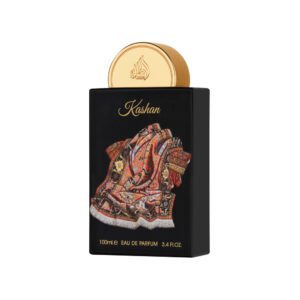
Saffron appears in the top of Lattafa Khamrah’s listed pyramid, where it opens the fragrance with a leathery, slightly bitter warmth before the sweet amber heart takes over. Saffron is expensive in perfumery, and even a small dose creates an instantly recognisable “expensive” impression. Khamrah’s saffron-cinnamon opening is why it’s so widely recommended as an autumn and winter fragrance in the UK.
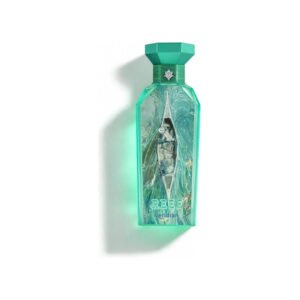
Reef works the same spice family differently. Reef 33’s listed notes include saffron and cinnamon in its opening too, but blended with bright citrus — the result is fresher and more modern than Khamrah’s heavy amber warmth. If you like Khamrah’s spiciness but find it too dense for daytime, the Reef 33 opening shows how citrus can lighten a spice accord.
Nutmeg and cinnamon also feature in Lattafa Asad’s listed heart, paired with black pepper — a drier, more masculine-leaning spice profile than either Khamrah or Reef 33.
Sweet Gourmand Notes: Dates, Vanilla, Tonka
Gourmand notes are the edible-adjacent accords — vanilla, dates, tonka bean, praline, caramel. They’re the fastest-growing segment in UK Arabic fragrance, and both houses do them well.
Lattafa Khamrah is the benchmark gourmand: its listed heart includes dates and praline, and its base runs through vanilla and tonka bean. Widely reported to last 8+ hours with strong projection, Khamrah is the fragrance other warm-gourmand perfumes get compared against.
Reef answers with a softer hand. The Reef line is known for balancing sweetness with freshness — where Khamrah goes full amber-gourmand, Reef’s sweet accords tend to sit on fresher, muskier bases. Reef 33 White (£42.99 at arabicaura.co.uk) leans into the clean-sweet direction, while classic Reef 33 (£38.69) balances its spiced opening with a smooth, warm base.
Tonka bean deserves a callout: it smells like vanilla with hay and almond edges, and it appears in both Lattafa and Reef base accords. If a fragrance’s base lists vanilla + tonka, expect a creamy, comforting dry down rather than a sharp or powdery one.
Oud: The Note That Defines Arabic Perfumery
No Arabic fragrance notes guide is complete without oud. Oud (agarwood) is a resinous wood note with smoky, animalic, sometimes medicinal facets. Real oud is rare and costly; in affordable Arabic perfumery it appears as oud accords — blends that capture its character at an accessible price.
Lattafa is the UK’s oud educator: fragrances like Oud Mood put oud front and centre, while Asad blends oud into a smooth amber-woody composition. In the listed notes of many Lattafa fragrances, oud sits in the heart or base as the structural backbone.
Reef treats oud more subtly. The numbered Reef collection builds on fresh-spicy and amber-woody structures where oud is often a background texture rather than the star. This makes Reef a gentler entry point if you want Arabic perfumery without a heavy oud statement — and a good “second bottle” if you already own a Lattafa oud and want something easier to wear to work.
White Musk: The Clean Base of the Reef Collection
If oud is Lattafa’s signature note, white musk is Reef’s. White musk is a clean, skin-like, slightly powdery accord that smells like fresh laundry with warmth. It appears across the Reef numbered line — Reef 19, 31 and 33 all build on musky, ambery bases — and it’s why Reef fragrances are so widely recommended as daily-wear scents in the UK.
Lattafa Yara offers the Lattafa-side counterpart: its listed base includes white musk alongside vanilla, and the fragrance is one of the most reviewed sweet-floral-musks in the Lattafa catalogue. Comparing Yara’s white musk base with Reef 19’s shows the note in two contexts: Yara’s musk sweetens a gourmand-floral, while Reef 19’s musk keeps a fresh-spicy composition clean and wearable.
Florals and Fruits in the Heart
Middle notes get less attention than tops and bases, but they’re where a fragrance shows its personality. Common heart notes across both houses:
- Rose: appears in Lattafa fragrances like Ana Abiyedh and in Reef’s floral compositions. In Arabic perfumery, rose is often jammy and dark rather than fresh.
- Orange blossom and jasmine: Lattafa Yara’s listed heart includes tropical florals, giving it its famous bright, fruity-floral character.
- Fruits (pear, bergamot, apple): these usually sit in the top rather than the heart in both houses — they provide the sparkling lift that makes a fragrance feel modern rather than heavy.
Reef 33’s citrus-spice opening is a textbook example of how fruit notes function at the top: they don’t define the fragrance, they aerate it.
Woods: Amberwood, Cedarwood, Sandalwood
Woody base notes give a fragrance its backbone and staying power. Key ones to know:
- Amberwood: a warm, amber-woody accord that anchors many Lattafa bases (Asad, Khamrah) and appears in Reef’s warmer compositions. Not the same as amber resin — amberwood is drier and more modern.
- Cedarwood: dry, pencil-shaving freshness. Used in both houses to stop sweet compositions becoming cloying.
- Sandalwood: creamy and smooth; supports the base of many gourmand Lattafa fragrances.
A practical rule: the heavier the wood and resin load in the base, the better the fragrance suits cold weather and evenings. That’s why Khamrah (amber, vanilla, tonka) is a winter staple while fresher Reef compositions work year-round.
How to Test Notes Like a Pro (UK Shopping Tips)
- Test on skin, not paper. Paper strips show the opening accurately but distort the heart and base. Spray on your wrist and check at 30 minutes and 4 hours.
- Compare one note across two houses. Spray Lattafa Khamrah on one wrist and Reef 33 on the other. You’ll feel the same warm-spice family landing completely differently — that’s the note pyramid in action.
- Mind the season. UK autumn and winter suit the heavier Lattafa ambers; spring and summer favour the fresher Reef line.
- Ask for the listed notes. Reputable UK retailers display full note pyramids — compare them before you buy, and treat longevity claims as reported ranges, not promises.
UK Buying Guide: Lattafa & Reef Notes at a Glance
| Note family | Lattafa example | Reef example | Best for |
|—|—|—|—|
| Warm spice (saffron, cinnamon) | Khamrah (top) | Reef 33 (opening) | Autumn/winter, evenings |
| Sweet gourmand (dates, vanilla) | Khamrah, Yara | Reef 33 White | Nights out, colder months |
| Oud | Oud Mood, Asad | Background in numbered line | Oud lovers, statement wear |
| White musk (clean base) | Yara (base) | Reef 19, 31, 33 | Daily wear, office-safe |
| Citrus-fresh top | — | Reef 33 (opening) | Daytime, warmer months |
Browse the full [Reef collection](https://arabicaura.co.uk/product-category/perfumes/reef/) and [Lattafa collection](https://arabicaura.co.uk/product-category/perfumes/lattafa/) at arabicaura.co.uk to compare note pyramids side by side. Reef 33 (£38.69) is the ideal first Reef bottle for Lattafa fans wanting to explore the house.
Notes that aren’t what they sound like
Some of the most common note names are not ingredients at all — they are accords, blended materials built to recreate an effect. Amber is not one thing but a family of warm, resinous, slightly sweet balsamic notes. Musk in modern perfumery is almost never animal musk; it is clean, skin-like aroma materials. Leather is not leather but a dry, slightly animalic accord built from woods and resins. And oud at affordable prices is an accord of woods, resins and smoky materials, not natural agarwood oil — which is why a £22 oud can exist at all. Reading a pyramid honestly means reading it as a description of effects, not a list of raw materials.
Why the same note smells different in every house
The test-tips section above notes that the same warm-spice family lands completely differently on two wrists — here is why. A note never appears alone: its supporting notes, its concentration in the blend, and its position in the pyramid all change it. Saffron over citrus reads bright and sharp; saffron over amber and vanilla reads warm and leathery. Cinnamon beside bergamot reads fresh and sparkling; cinnamon beside dates and praline reads edible and cosy. That is why comparing pyramids note-for-note misleads: two perfumes can share five notes and smell nothing alike, because the proportions and the company each note keeps are what you actually smell.
How storage changes the notes you smell
Storage does not damage all notes equally — it takes the top notes first. Heat, light and humidity flatten citrus, light spice and fresh florals long before they touch the woods, musks and resins of the base. That is why a poorly stored bottle can smell “all base, no opening”: the pyramid has not changed on paper, but the top of it has evaporated in the bottle. A bottle kept cool, dark and capped will present its notes in the order the pyramid promises; a bottle kept in a bathroom will present the base only, and no amount of spraying restores what is gone.
FAQs
What are top, heart and base notes in perfume?
Top notes are the first 5–15 minutes (citrus, light spice), heart notes are the middle hours (florals, fruits, warm spice), and base notes are the lasting trail (woods, musk, vanilla, resins). Together they form the note pyramid.
Which Lattafa fragrance is best for learning about gourmand notes?
Lattafa Khamrah — its listed pyramid of saffron-cinnamon opening, dates-praline heart and vanilla-tonka base is a textbook gourmand structure, widely reported to last 8+ hours.
What does white musk smell like in Reef perfumes?
Clean, skin-like and slightly powdery — the “expensive freshness” at the base of Reef 19, 31 and 33. It’s the note that makes the Reef numbered line so wearable day to day.
Is Reef 33 similar to Lattafa Khamrah?
They share a warm-spice DNA (saffron and cinnamon feature in both openings) but diverge fast: Khamrah goes deep amber-gourmand, while Reef 33 stays fresher and more modern thanks to its citrus lift. They’re complementary, not interchangeable.
How long do Arabic perfumes last?
Most Lattafa ambers and Reef numbered fragrances are widely reported to last 6–10 hours depending on the scent and your skin, with the heavier gourmands lasting longest. Treat all longevity figures as reported ranges — skin chemistry, weather and application all matter.
Is amber a real ingredient?
No — amber is an accord, a family of warm, resinous, slightly sweet balsamic notes blended to create a cosy, long-lasting effect. It is one of several note names that describe an effect rather than a single raw material, alongside musk and leather.
Why does oud smell different in every perfume?
Because affordable oud is an accord, not one material — and every house blends its own. The woods, resins and smoky materials differ, the supporting notes differ, and the concentration differs. Two “oud” perfumes can share the name and smell nothing alike.
Do note pyramids list every ingredient?
No. A pyramid lists the key notes the house wants you to notice, not the full formula — which runs to dozens of materials, most of them unlisted. Treat a pyramid as a map of the scent’s character, not as a recipe.