
Not really. There is no chemical difference between men’s and women’s perfume. The split is mostly about marketing, packaging and which notes each side has traditionally been sold. Once you understand the conventions, you can ignore the label and buy what you actually like.
Where the split came from
For most of history, fragrance was not gendered in the way it is today. In the Gulf, oud, amber, saffron, rose and musk have always been worn by everyone. The clear “for him” and “for her” shelves grew up in Western department stores during the twentieth century, as brands looked for simple ways to target buyers. The scents followed the marketing: fresh, woody and aromatic for men, floral, fruity and sweet for women.
The usual conventions
| Often marketed to men | Often marketed to women | |
|---|---|---|
| Typical notes | Citrus, lavender, spice, leather, woods, tobacco | Florals, fruits, vanilla, gourmand sweetness |
| Typical feel | Fresh, crisp, aromatic, dry | Soft, sweet, creamy, floral |
| Typical bottle | Angular, dark, minimal | Curved, pastel, decorative |
None of these are rules. Plenty of popular men’s fragrances are sweet and plenty of women’s fragrances are woody and smoky.
What is not different
- Strength. Concentration (eau de toilette, eau de parfum, extrait) matters far more than gender. A women’s eau de parfum can be stronger than a men’s eau de toilette. See our guide to EDT vs EDP.
- Longevity. How long a scent lasts depends on its base notes and your skin, not on the target audience. Our guide to how skin type affects perfume explains why.
- Ingredients quality. The same materials appear on both sides.
Why unisex is so common in Arabian perfumery
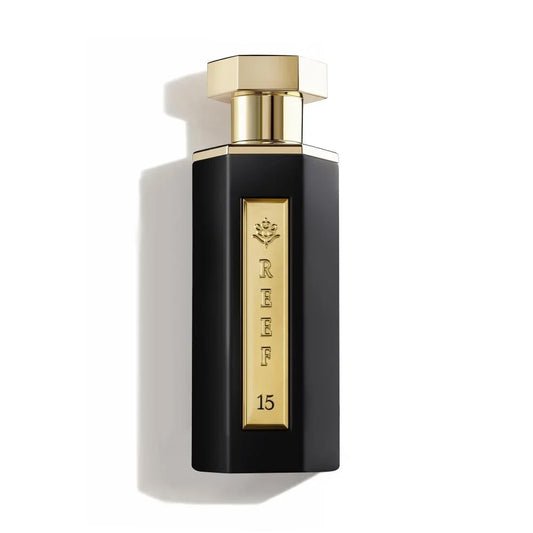
Most of Reef’s range, for example, is sold as unisex. Our guide to whether Reef perfumes are unisex goes through each one. The same is true across much of Lattafa’s catalogue, where oud, amber and musk are the backbone. When a fragrance’s identity is built on notes that both men and women wear, a gender label adds little.
Examples from both sides of the shelf
- Lattafa Asad (£22.00): described as a bold, ambroxan-driven fresh-spicy fragrance, a classic “masculine” profile.
- Lattafa Yara (£20.00): a sweet vanilla-caramel gourmand, Lattafa’s best-known women’s fragrance.
- Lattafa Lail Maleki (£12.99): a warm amber-musk unisex fragrance that sits comfortably in the middle.
- Reef 31 (£42.99): saffron, amber and vanilla, sold as unisex.
How to choose without the label
- Start with a mood. Fresh, warm, sweet, woody or floral?
- Read the notes, not the shelf. Our guide to fragrance families helps you decode a note list.
- Test on skin. Skin chemistry changes everything. See why perfume smells different on you.
- Wait for the dry-down. Judge the fragrance after an hour, not in the first minute.
- Ask who will be smelling it. A work fragrance and a night out fragrance are different jobs.
Our Perfume Finder shortlists by mood and budget rather than gender.
Frequently asked questions
Can a woman wear men’s perfume?
Yes. There is no formulation reason not to, and many people prefer the fresher, woodier profiles traditionally sold to men.
Can a man wear women’s perfume?
Yes, for the same reason. If you like a floral or gourmand fragrance, wear it.
Are men’s perfumes stronger than women’s?
No. Strength depends on concentration and the base notes, not on who the perfume is marketed to.
Is it cheaper to buy the men’s version of a fragrance?
Not as a rule. Prices are set by brand, concentration and bottle size. For an idea of what to spend, see our Reef price guide.
For gift-focused picks by recipient, see best perfume for women, best perfume for men, and best unisex perfume UK.