How Arabic Perfume Is Made: From Oud Harvesting to Bottle
Arabic perfume has a production process that’s genuinely different from mainstream Western fragrance, and understanding it explains a lot about why Reef and Lattafa bottles perform the way they do. Here’s what actually happens between raw ingredients and the bottle on your shelf.
Step 1: Sourcing the Raw Materials
Traditional Arabian perfumery is built around a small set of prized raw materials: oud (agarwood), amber, musk and saffron, alongside modern synthetic aromachemicals like ambroxan. Our beginner’s guide to oud covers where it comes from and why it’s so highly valued.
Oud Harvesting
Genuine oud comes from Aquilaria trees that have been infected by a specific mould, which triggers the tree to produce a dark, fragrant resin as a defence response. This resin is what’s harvested, distilled and used in perfumery — it’s a slow, resource-intensive process, which is part of why pure oud oil is so expensive on its own.
Step 2: Extraction and Distillation
Raw materials are converted into usable perfume oils through steam distillation (common for oud and floral materials) or solvent extraction. The resulting oils and absolutes form the “palette” a perfumer works from, alongside lab-created aromachemicals that replicate or extend natural notes at a fraction of the cost — our attar vs oud oil vs EDP guide explains how these formats differ.
Step 3: Composing the Fragrance
A perfumer blends top, heart and base notes into a formula, usually built and refined over dozens of iterations. Gulf perfumery has its own stylistic conventions here — heavier bases, bolder top notes and a preference for high projection — which is why Arabian perfumes tend to smell and perform differently from French or Italian houses. Our notes explained guide is a good primer if terms like “base note” are new to you.
Step 4: Concentration and Maceration
Once the formula is finalised, it’s diluted to the target concentration — usually Eau de Parfum (15–20% fragrance oil) for brands like Reef and Lattafa — and left to macerate for several weeks. This resting period lets the individual notes blend and mellow, which is part of why freshly-bottled perfume can smell slightly different a month later. Our concentration science explainer covers exactly why higher-concentration EDPs like these last longer on skin.
Step 5: Bottling and Quality Control
The finished blend is filtered, bottled, batch-tested and packaged. Reputable manufacturers run consistency checks across batches, which is a major reason why sticking to verified retailers matters — inconsistent or counterfeit stock is one of the biggest complaints among UK buyers of imported Gulf perfume. See our authenticity checklist for the warning signs.
Step 6: The Journey to the UK
From here, finished bottles are shipped, cleared through customs, and distributed — our supply chain guide walks through exactly how Arabian perfumes reach UK doorsteps, and our customs and VAT guide explains how that journey affects pricing.
Why This Process Matters for UK Buyers
- Higher fragrance-oil concentration is why these perfumes tend to outlast much pricier designer EDTs.
- Batch consistency is a real quality marker — buying from an established, verified UK retailer reduces the risk of inconsistent or counterfeit stock.
- Understanding the note pyramid helps you predict how a scent will evolve over the day, rather than judging it purely on the first spray.
FAQ
Is Arabic perfume made the same way as designer perfume?
The broad process (sourcing, distillation, composing, macerating, bottling) is similar, but Gulf perfumery uses different raw materials and stylistic conventions, and typically bottles at a higher concentration.
Why does Arabic perfume last longer than some designer perfume?
Mostly concentration — many Arabian houses bottle at EDP strength or higher as standard, while designer brands often sell EDT as their entry-level product.
Is real oud used in mass-market bottles like Reef and Lattafa?
Most mass-market bottles use a blend of natural extracts and synthetic aromachemicals like ambroxan to keep pricing accessible — pure natural oud oil is generally reserved for niche, high-price attars.
Explore the Range
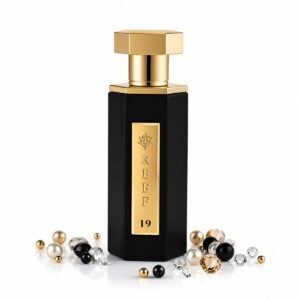
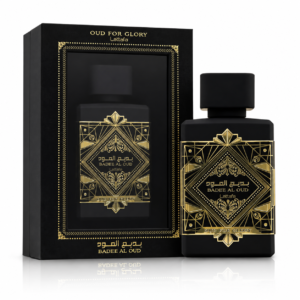
See the finished results for yourself in our Reef range and Lattafa range, or read our Arabian vs designer perfume comparison for more on how the finished products differ.