Ambroxan is a synthetic molecule that recreates the clean, dry, woody-musky side of ambergris, the waxy substance once associated with sperm whales. Today it is made from plant sources, most commonly sclareol from clary sage, and it sits behind the glowing “skin scent” feel of many modern fragrances. If a perfume smells expensive, clean and slightly salty-woody, ambroxan is often part of the reason.
Ingredient and product details on this page were checked on 16 October 2026. Prices and stock can change, so confirm them on each product page.
On this page: Ambroxan in one minute · Where it comes from · What it smells like · Ambroxan vs amber vs ambergris · Where you will meet it · Why it is everywhere · Ethics · FAQs
Ambroxan in one minute
- What it is: a single synthetic molecule, also sold under trade names such as Ambrox.
- Where it comes from: usually sclareol, a compound found in clary sage.
- What it smells like: clean, dry and woody, with a slightly salty or mineral sweetness and a warm, skin-like glow.
- Why perfumers use it: it adds radiance and staying power, and it is stable.
These points draw on ingredient guides from Scento and Premiere Peau.
Where does ambroxan come from?
Natural ambergris forms when a substance produced by sperm whales ages and oxidises at sea over a long time, and it has been prized in perfumery for centuries. Ambroxan reproduces one of the key smell molecules in aged ambergris. Modern production usually starts from sclareol extracted from clary sage, according to the ingredient guides above, which makes it a consistent, plant-derived ingredient rather than a whale product.
What does ambroxan smell like?
People describe it as clean, dry and woody, with a slightly salty or mineral sweetness. In small amounts it can be almost invisible, lifting and extending other notes. In large doses it can tip into a soapy, laundry-clean effect that some people love and others find synthetic.
Ambroxan vs amber vs ambergris
Three similar-sounding words describe three different things, and mixing them up is common.
| Term | What it is | Origin | Smell |
|---|---|---|---|
| Amber | A constructed accord, often built from resins such as labdanum and benzoin plus vanilla | Plant-based ingredients and synthetics | Sweet, warm, resinous |
| Ambergris | A natural waxy substance | Produced in sperm whales, aged at sea | Rare and costly; musky, marine, slightly salty |
| Ambroxan | A single synthetic molecule | Made in a lab, usually from clary sage sclareol | Dry, woody, salty-mineral, skin-like |
Our guides to what amber smells like and amber vs oud cover the first of these in more depth.
Where you will meet ambroxan
Dior’s description of Sauvage names ambroxan in its base (see Dior’s description as reproduced by Dillard’s), which is a big reason the ingredient became a household name. Baccarat Rouge 540’s note list refers instead to an ambergris accord. Our Dior Sauvage alternatives guide and Baccarat Rouge 540 alternatives guide look at both styles.
In our own range, the following product pages list ambroxan in their notes:
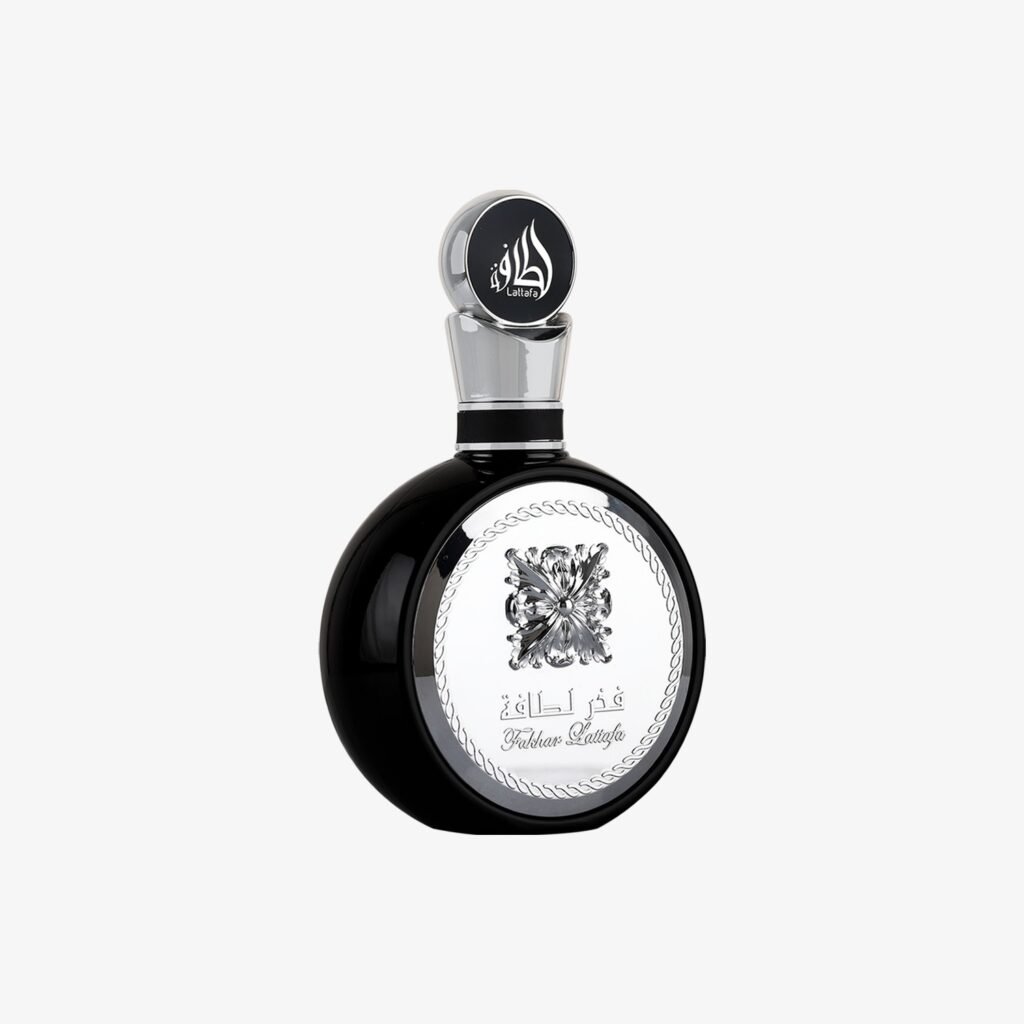
- Lattafa Fakhar (£20.00): ambroxan, patchouli and musk in the base of a fresh, aromatic scent.
- Lattafa Sheikh Al Shuyukh Luxe (£22.00): vanilla, amber and ambroxan in the base of a warm, rosy-spicy scent.
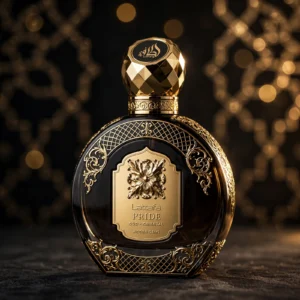
- Lattafa Pride Art Of Arabia I (£34.99): described on our page as a fresh, ambroxan-driven unisex Eau de Parfum.
- Lattafa Pride Kashan (£24.99): raspberry, cashmeran and ambroxan in the heart.

Why ambroxan is everywhere
There are three practical reasons. It lifts and extends other notes, so a little goes a long way. It is stable, so formulas stay consistent from batch to batch. And it gives perfumers an ambergris-style effect without relying on a rare natural material. If you like a perfume that smells clean, radiant and expensive on skin, an ambroxan base is a good sign to look for in the notes.
Is ambroxan vegan, ethical or halal?
Modern ambroxan is made from plant sources rather than whales, which is why ingredient guides describe it as an alternative to natural ambergris. Whether a finished perfume is vegan depends on every ingredient in the formula, not just this one. Questions about religious suitability, such as alcohol content in perfumes, are best put to a qualified scholar. We explain the practical facts in our halal and alcohol-free perfume guide and our ethical sourcing explainer.
How to find out whether you like it
Try a fresh ambroxan scent such as Fakhar and a warmer one such as Sheikh Al Shuyukh Luxe on skin, then wait for the drydown (see why perfume changes on your skin). If you stop smelling a scent after a while, that may be nose blindness, which we explain in why you cannot smell your own perfume. If you have sensitive skin, patch test any new fragrance and check the ingredient list; our allergen labelling guide explains what UK labels show. To browse by style, try fresh woody perfumes or the perfume glossary.
Frequently asked questions
Is ambroxan natural or synthetic?
Ambroxan is a synthetic molecule. According to ingredient guides it is usually made from sclareol found in clary sage, so it is plant-derived but not a natural extract.
Is ambroxan the same as ambergris?
No. Ambergris is a rare natural substance associated with sperm whales. Ambroxan is a lab-made molecule that recreates one of its key smell effects.
Does ambroxan make perfume last longer?
It is stable and is used to give bases staying power, which is why it appears in many long-lasting perfumes. Overall longevity still depends on the whole formula and your skin.
Why does my perfume smell soapy or like laundry?
In large amounts ambroxan can read as soapy or laundry-clean. Try fewer sprays or a scent where it is balanced by warmer notes.
Which Arabic perfumes use ambroxan?
In our range, the product pages for Lattafa Fakhar, Sheikh Al Shuyukh Luxe, Pride Art Of Arabia I and Pride Kashan list ambroxan.